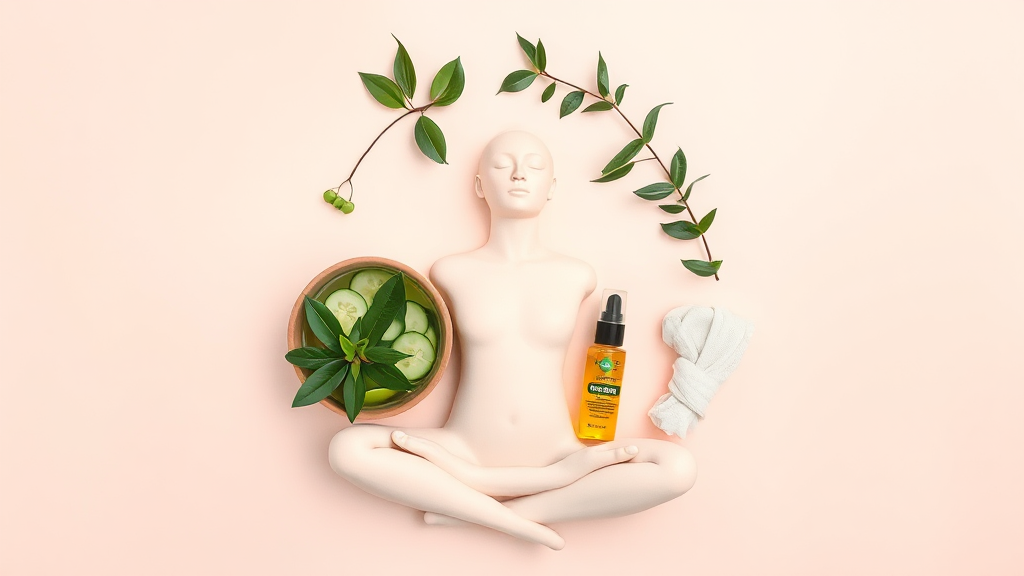
Rediscover Your Glow: How to Find the Best Beauty Tips for a Natural Radiance
In a world saturated with endless skincare routines, viral hacks, and an overwhelming array of products, the quest to find the best beauty tips can feel more like a minefield than a journey of self-care. Every scroll through social media introduces a new miracle ingredient or a ten-step regimen that promises perfection. Yet, true beauty isn’t about chasing every trend—it’s about understanding your unique skin, body, and lifestyle, and curating a routine that works harmoniously with them. This guide is designed to cut through the noise, offering evidence-based, practical advice that prioritizes long-term wellness over fleeting fads. Whether you’re a skincare novice or a seasoned enthusiast, the goal is simple: to help you discover the most effective, personalized beauty practices that nurture your natural radiance from the inside out.
Understanding Your Skin: The Foundation of Every Beauty Routine
Before you spend another dollar on a new serum or cream, it’s crucial to understand the canvas you’re working with: your skin. Skin types generally fall into five categories: normal, dry, oily, combination, and sensitive. Each type has distinct needs, and using products formulated for the wrong type can lead to breakouts, irritation, or excessive dryness. To determine your skin type, wash your face with a gentle cleanser, pat it dry, and wait for about an hour without applying any products. If your skin feels tight and flaky, you likely have dry skin; if it appears shiny all over, you’re oily; if it’s shiny in the T-zone (forehead, nose, and chin) but normal elsewhere, you have combination skin; and if it reacts with redness or itching, you’re sensitive.
Once you know your skin type, you can tailor your routine. For instance, oily skin benefits from lightweight, gel-based moisturizers and salicylic acid cleansers, while dry skin thrives with creamy cleansers and hyaluronic acid. This personalized approach is the first step to finding the best beauty tips that actually work for you. It’s also essential to consider your skin’s changing needs throughout the year—what works in humid summer may not be sufficient in dry winter. Regularly reassessing your skin’s condition and adjusting your products accordingly is a hallmark of a thoughtful beauty regimen.
The Power of a Consistent Skincare Routine: Less Is Often More
In the quest for perfect skin, many people make the mistake of overloading their faces with multiple new products at once. This not only overwhelms the skin but also makes it impossible to identify which product is causing irritation or breakouts. A simpler, consistent routine is far more effective. The core pillars of any good skincare routine are cleansing, moisturizing, and sun protection. Cleansing removes dirt, oil, and makeup, while moisturizing keeps the skin’s barrier healthy and hydrated. Sunscreen is non-negotiable—it protects against premature aging, dark spots, and skin cancer. These three steps are the foundation upon which all other treatments, like serums and exfoliants, can be added.
When introducing new products, do so one at a time, using each for at least a week before adding another. This allows you to monitor how your skin reacts. Also, pay attention to product formulations. Look for non-comedogenic products (which won’t clog pores) if you’re prone to breakouts, and avoid harsh fragrances if you have sensitive skin. Consistency is key—using a well-chosen routine daily for several weeks will yield better results than constantly switching products. Remember that your skin renews itself roughly every 28 days, so give your routine time to work before judging its effectiveness.
Nutrition and Hydration: Beauty from the Inside Out
No amount of topical cream can compensate for a poor diet or chronic dehydration. Your skin is a reflection of your internal health, and the best beauty tips always include a focus on nutrition and hydration. Drinking adequate water is essential for maintaining skin elasticity and flushing out toxins. While the ‘eight glasses a day’ rule is a good baseline, your needs may vary based on activity level and climate. A simple way to check hydration is to look at your urine color—pale yellow indicates good hydration, while dark yellow suggests you need more fluids.
In addition to water, the foods you eat play a significant role. Antioxidant-rich foods, such as berries, leafy greens, and nuts, combat oxidative stress that leads to premature aging. Omega-3 fatty acids, found in fatty fish like salmon and in flaxseeds, help maintain the skin’s lipid barrier, keeping it supple and hydrated. Vitamin C, found in citrus fruits and bell peppers, is crucial for collagen production, which keeps skin firm and youthful. Conversely, high-glycemic foods and excessive sugar can trigger inflammation and acne. By adopting a balanced diet rich in whole foods, you’re not only supporting your overall health but also enhancing your natural beauty.
Lifestyle Habits That Transform Your Appearance
Beauty extends beyond skincare products and diet; it’s deeply intertwined with your lifestyle. One of the most underrated yet powerful beauty secrets is sleep. During deep sleep, your body repairs itself, producing new skin cells and collagen. Lack of sleep leads to increased cortisol levels, which can break down collagen and cause dullness, dark circles, and fine lines. Aim for 7-9 hours of quality sleep each night. Establishing a relaxing bedtime routine—like reading, taking a warm bath, or practicing gentle yoga—can significantly improve your sleep quality.
Another crucial lifestyle factor is stress management. Chronic stress triggers inflammation and hormonal imbalances that can lead to acne, eczema, and premature aging. Incorporating stress-reducing activities into your daily life, such as meditation, deep breathing, or a hobby you love, can have a profound impact on your skin’s appearance. Regular exercise also boosts circulation, delivering oxygen and nutrients to skin cells while helping to flush out toxins. Just remember to cleanse your face after working out to prevent sweat-induced breakouts. These holistic habits are often the missing piece in many people’s beauty routines.
Natural and DIY Beauty Remedies: What Actually Works?
The internet is full of DIY beauty recipes, from honey masks to avocado hair treatments. While some are wonderfully effective, others can be harmful or simply ineffective. It’s important to approach DIY remedies with caution and knowledge. For example, raw honey has antibacterial properties and can be a great gentle cleanser or spot treatment for acne. Oatmeal baths can soothe itchy, irritated skin. However, lemon juice, often touted as a skin brightener, is highly acidic and can cause chemical burns and photosensitivity. Similarly, baking soda can disrupt the skin’s pH balance, leading to irritation.
When experimenting with DIY remedies, always patch test on a small area of skin first. Use fresh, high-quality ingredients, and never apply anything to your skin that you wouldn’t eat. For hair, coconut oil is a popular deep conditioner, but it can be heavy for fine hair—jojoba oil might be a better option. The key is to understand that natural doesn’t always mean safe, and less is often more. If you’re looking for a quick, natural pick-me-up, a simple green tea compress can reduce puffiness, and a cucumber slice on the eyes is genuinely soothing due to its high water content.
Adapting Beauty Tips for Different Ages and Seasons
Your skin changes as you age, and so should your beauty routine. In your 20s, focus on building a solid foundation: sunscreen, gentle cleansing, and moisturizing. In your 30s, you may want to introduce antioxidants like vitamin C and start using retinol at night to boost collagen production. By your 40s and 50s, your skin may be drier, so richer moisturizers and peptides become beneficial. Hormonal changes, such as menopause, can also affect skin, making it thinner and more prone to dryness. Adjusting your products to address these evolving needs is essential for maintaining a healthy glow.
Similarly, your routine should shift with the seasons. In summer, lighter moisturizers and higher SPF are necessary, while winter calls for heavier creams to protect against cold, dry air. Humidity levels also affect how your skin absorbs products. In humid climates, you might need less moisturizer, while dry climates require more. By staying attuned to these environmental and biological changes, you can ensure that your beauty practices remain effective year-round. This adaptability is one of the most valuable insights you can gain when you find the best beauty tips.
Professional Treatments vs. At-Home Care: Making Informed Choices
With the rise of medical spas and at-home devices, it can be confusing to decide between professional treatments and DIY care. Professional treatments like chemical peels, microdermabrasion, and laser therapy offer powerful results but come with a higher price tag and potential downtime. They are best for addressing specific concerns like deep wrinkles, severe acne scars, or pigmentation issues. On the other hand, at-home care is more affordable and convenient, but it typically offers more subtle results. For instance, at-home microdermabrasion devices are less powerful than professional ones, but they can still improve skin texture over time.
When considering professional treatments, always consult with a licensed dermatologist or aesthetician. They can recommend the most appropriate treatment for your skin type and concerns. It’s also vital to follow their aftercare instructions meticulously to avoid complications. For at-home care, invest in quality products and devices from reputable brands. Avoid buying medical-grade devices from unknown sellers, as they may not meet safety standards. Ultimately, a combination of both—professional treatments for targeted issues and a solid at-home routine for maintenance—is often the most effective approach.
Debunking Common Beauty Myths
The beauty industry is rife with myths that can lead you astray. One of the most persistent is that toothpaste can dry out pimples. While toothpaste may contain ingredients that dry out spots, it also contains harsh chemicals that can irritate and burn the skin, leading to more breakouts. Instead, use a spot treatment with benzoyl peroxide or salicylic acid. Another myth is that you don’t need sunscreen on cloudy days or when indoors. The truth is that UVA rays can penetrate clouds and windows, so daily sunscreen is essential regardless of the weather.
Another common misconception is that oily skin doesn’t need moisturizer. When you strip your skin of its natural oils, it may produce even more oil to compensate. Using a lightweight, oil-free moisturizer can actually help regulate oil production. Also, many believe that expensive products are always better. However, the effectiveness of a product depends on its ingredients and concentration, not its price tag. Drugstore brands often contain the same active ingredients as high-end ones. By debunking these myths, you can make more informed choices and avoid wasting money on ineffective or harmful practices.
Creating a Personalized Beauty Ritual: A Step-by-Step Guide
Now that you have a wealth of knowledge, it’s time to create a personalized beauty ritual that suits your lifestyle and goals. Start by setting aside a few minutes each morning and evening for your routine. Morning: cleanse with a gentle cleanser, apply a vitamin C serum for antioxidant protection, moisturize, and finish with a broad-spectrum sunscreen. Evening: remove makeup and cleanse, apply a treatment product (like retinol or a hydrating serum), and moisturize. Weekly, you can incorporate an exfoliating scrub or a clay mask, but don’t over-exfoliate—once or twice a week is enough.
Listen to your skin and be flexible. If your skin feels tight, skip the exfoliant and add more hydration. If you notice breakouts, consider if a new product is the culprit. Keep a simple journal to track what works and what doesn’t. Remember that beauty is not just about appearance; it’s about feeling confident and comfortable in your own skin. Embrace your natural features and focus on enhancing them rather than masking them. By following these steps and staying mindful, you’ll not only find the best beauty tips for your unique self, but you’ll also cultivate a ritual that nourishes your mind and body.
Frequently Asked Questions
How often should I exfoliate my skin?
Exfoliation frequency depends on your skin type and the type of exfoliant. For most people, 1-2 times per week is sufficient. If you have oily skin, you might tolerate more frequent exfoliation, while sensitive skin should exfoliate less often. Always follow product instructions and avoid over-exfoliating, which can damage your skin barrier.
What is the best way to remove makeup without irritating my skin?
Using a gentle oil-based cleanser or micellar water is the most effective and gentle way to remove makeup. Apply the cleanser to a cotton pad or your fingertips and massage softly over your face. Rinse with lukewarm water and follow with your regular cleanser to ensure all residue is gone.
Can I use the same skincare routine day and night?
While some products can be used both day and night, your routine should differ. During the day, you need antioxidants and sunscreen. At night, your skin repairs itself, so it’s the best time for treatments like retinol, peptides, or heavier moisturizers. Adjusting your routine based on time of day maximizes benefits.
Are natural ingredients always safer than synthetic ones?
Not necessarily. Natural ingredients can cause allergic reactions or irritation just like synthetic ones. Some natural substances, like essential oils, are potent and can be irritating if used incorrectly. Always patch test any new product, whether natural or synthetic, and look for non-comedogenic and fragrance-free options if you have sensitive skin.