What Does a Desentupidora Guarulhos Service Really Cost? 7 Lessons from a Trainer
By the end of this article, you will know exactly what you are paying for when you call a desentupidora Guarulhos and how to judge whether the price is fair. I teach beginners how to read drain-cleaning quotes, and the same seven lessons come up every single class. Here is the story of how those lessons actually play out in the field, in the order they tend to happen.
1. The call starts with a symptom, not a diagnosis
Every job I train people on begins the same way: a panicked phone call. The toilet gurgles, the kitchen sink drains slowly, or water backs up in the shower. The customer describes a symptom. The technician has to turn that symptom into a diagnosis before any price makes sense.
This is the first place where value is created or lost. A company that only quotes a flat fee over the phone is guessing. A professional team asks where the water backs up, how many fixtures are affected, and whether the problem is inside the apartment or in the building’s main line. Those answers decide the equipment, the time, and the final cost.
Why the first five minutes matter more than the price
When I train new staff, I tell them the first five minutes of the call are worth more than the discount they might offer later. A technician who asks the right questions can often tell whether the job needs a simple manual snake or a truck-mounted hydrojetting unit. That single decision can change the price by a wide margin, and it protects the customer from paying for equipment they do not need.
2. What you are actually paying for on a standard visit
Before students see an invoice, I ask them to list what a fair price should include. Most beginners only think of the labor. In reality, a professional visit bundles several things, and each one costs money to deliver.
- Diagnosis and access: finding the blockage point and opening the right access cover or cleanout.
- Equipment and transport: a van, a drain snake, a hydrojetting pump, hoses, and protective gear.
- Labor time: one or two technicians, depending on the complexity of the line.
- Cleanup and disposal: removing debris, washing the area, and disposing of waste correctly.
- Follow-up guidance: telling you what caused the blockage so it does not return next month.
When a quote seems suspiciously cheap, one of these items is usually missing. The most common shortcut is skipping the diagnosis and simply running a snake until the water moves. That works for a while, but it does not tell you whether the pipe is cracked, root-invaded, or clogged with grease that will harden again.
3. The middle of the job is where costs separate
Halfway through a typical training session, we reach the part students find most surprising. Two jobs that look identical on the phone can end with very different bills. The difference usually comes down to three factors: the location of the blockage, the condition of the pipe, and the time of day.
Location: apartment line versus building main
A blockage in a single sink trap is a quick, low-cost fix. A blockage in the building’s main sewer line is a different project. It may require coordinating with the condominium manager, accessing a shared cleanout, and using heavier equipment. If you live in a building, ask early whether the problem is inside your unit or in the collective system, because that determines who pays and which team should be called.
Pipe condition: the hidden variable
Old clay or cast-iron pipes can be cracked, collapsed, or invaded by tree roots. In those cases, clearing the blockage is only a temporary fix. A responsible technician will tell you when the pipe needs repair rather than another cleaning. This is not an upsell; it is a warning that saves you from repeating the same emergency every few months.
Time of day: emergency versus scheduled
Emergency service at night, on weekends, or on holidays costs more because the company pays staff to be available outside normal hours. If your situation is not urgent, scheduling during business hours is one of the simplest ways to reduce the bill. If it is urgent, expect the premium and ask for it to be explained clearly before work begins.
4. Hydrojetting, snakes, and fossa cleaning: matching the tool to the job
Around the third lesson, I introduce the equipment. Beginners often assume the biggest machine is always the best answer. It is not. The right tool depends on what is blocking the pipe and what the pipe can safely handle.
| Method | Best for | Typical cost driver |
|---|---|---|
| Manual or electric snake | Small blockages in sinks, showers, and toilets | Labor time and access |
| Hydrojetting | Grease, scale, roots, and long horizontal lines | Equipment, water supply, and job duration |
| Septic tank cleaning | Properties not connected to the public sewer | Tank size, sludge volume, and disposal fees |
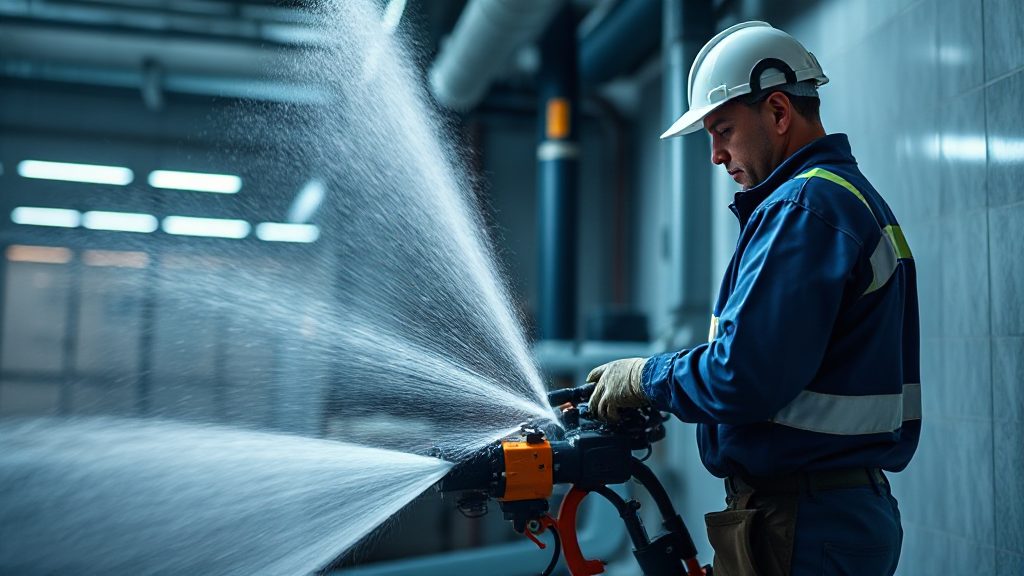
Hydrojetting uses high-pressure water to scour the inside of the pipe, which removes buildup that a snake only pierces. It is excellent for restaurants and older residential lines, but it requires a technician who knows the pipe’s limits. Too much pressure on a fragile line can cause damage, and that repair will cost far more than the cleaning itself.
Septic tank cleaning is a separate service with its own pricing logic. You pay for the volume removed and the proper disposal of the waste, not just the visit. Homeowners often forget this until the truck arrives, so ask for a volume-based estimate in advance.
5. The red flags that turn a fair price into an expensive mistake
By the time we reach the fifth lesson, students have seen enough quotes to spot trouble. I ask them to memorize a short list of warning signs, because these are the moments when a customer loses money.
- No written estimate before work starts, especially for anything beyond a simple sink.
- A price that changes after the equipment is already on site without a clear explanation.
- No diagnosis and no attempt to find the cause of the blockage.
- Pressure to approve unnecessary repairs on the same visit.
- No receipt or service record, which makes any follow-up complaint impossible.
A trustworthy company explains what it found, what it will do, and what it will cost before starting. If the technician cannot answer basic questions about the cause of the blockage, that is your signal to pause.
6. Why 24-hour availability changes the value equation
Lesson six is about timing. A blocked sewer at 2 a.m. is not just inconvenient; it can flood a bathroom, damage flooring, and create a health hazard. That is why emergency availability is part of the value, not an add-on.
When you search for a desentupidora Guarulhos SP, check whether the company actually answers at night or simply forwards calls to a voicemail. A real 24-hour operation has staff on rotation and equipment ready to move. That readiness is what you are paying for during an emergency, and it is worth confirming before you need it.
I also teach students to keep a reliable contact saved in their phone before a crisis. The worst time to compare providers is while water is rising. A quick call to a team that already knows the neighborhood and the typical pipe systems in the area can shorten the job and reduce the damage.
7. The lessons I want every beginner to take away
At the end of the training, I ask each student to summarize what they learned. The answers always come back to a few core ideas. Price is not the same as cost. The cheapest quote can become the most expensive job if it skips diagnosis, uses the wrong tool, or leaves the real cause in place.
Value comes from a clear explanation, the right equipment, and a team that stands behind its work. Whether you are a homeowner, a condominium manager, or a shop owner, the questions are the same: what is blocked, why is it blocked, what will you do, and what will it cost? A professional desentupidora em Guarulhos SP will answer all four without hesitation.
My final advice to every beginner is simple: learn to read the quote, not just the price tag. Ask about the diagnosis, the method, the cleanup, and the emergency terms. When those details are clear, you are not just buying a cleared pipe. You are buying the confidence that the problem will not come back next week.